Power Markets

Power Markets
POWER MARKETS

Treat Electricity Procurement as a Business Decision

The lowest generator tariff is not always the lowest delivered cost. Hindsecure helps commercial and industrial consumers compare renewable power routes using state charges, losses, load shape, contract terms and operating risk.

PROCUREMENT ROUTES

Ways a Business Can Procure Electricity

Topic
Common fit
Main decision factor
Distribution utility supply
Simplicity and continuing service
Tariff design and reliability
Green open access
Eligible commercial and industrial demand
State implementation, approvals and charges
Third-party PPA
Medium or long-term renewable procurement
Landed cost, credit and contract risk
Captive
Large consumers able to invest and comply
Ownership and consumption tests
Group captive
Multiple qualifying consumers
Ongoing ownership and consumption compliance
Power exchange
Flexible short-term procurement
Price volatility, scheduling and corridor availability
Renewable energy with storage
Shaped, firmer or time-shifted supply
Storage economics and dispatch design
Under the central Green Energy Open Access framework, the commonly referenced threshold is 100 kW of contracted demand or sanctioned load, including qualifying aggregation, while captive consumers are treated differently. State regulations, charges and implementation must still be checked for each case.
DELIVERED COST

The Number That Matters Is Delivered Cost

A quoted renewable tariff must be tested against the consumer's state, voltage, contract demand, drawal pattern, applicable exemptions and regulatory charges.

Renewable energy generation
WHAT WE REVIEW

What We Review

twelve months of electricity bills
renewable generation profile
interval or time-block load data where available
PPA commercial terms
contract demand and voltage
scheduling, banking and deviation exposure
utility tariff and time-of-day structure
captive or group captive compliance
state open-access rules and charges
storage use case and dispatch assumption
SHORT TERM MARKETS

Short Term Markets Explained Simply

01

Day Ahead Market

Electricity is scheduled for delivery on the following day through the applicable exchange process.


02

Real Time Market

Trading closer to delivery can help participants manage changing requirements, subject to market and grid conditions.

03

Green Market Segments

Exchange products can provide routes for eligible renewable electricity transactions under the prevailing product and regulatory structure.

04

Bilateral and Over the Counter

Counterparties negotiate commercial terms within the applicable licensing, scheduling and regulatory framework.

ENERGY STORAGE

Solar Generation and Industrial Demand Do Not Always Match

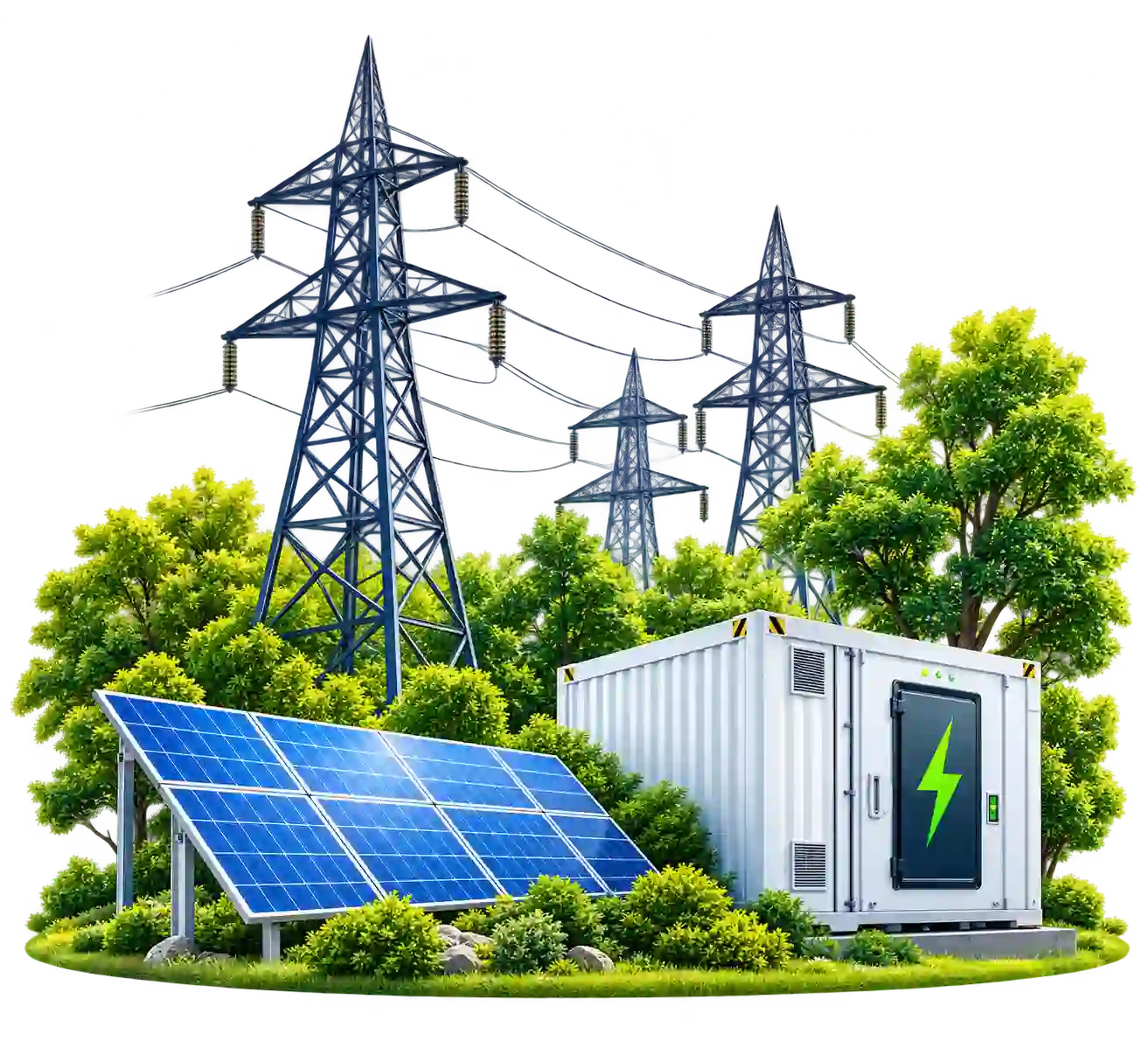
Battery Energy Storage Systems may support peak shifting, renewable firming, time-of-day optimisation, demand management and firmer supply structures. Hindsecure models storage only where the operating profile and commercial assumptions justify the additional cost.

FAQ

Frequently Asked Questions

Power grid and renewable procurement

No. Savings depend on state charges, losses, consumption pattern, tariff category, exemptions, contract terms and operating performance.

Both rely on statutory ownership and consumption requirements. Group captive structures involve multiple consumers and require careful continuing compliance.

No. The storage duration, charging source, generation mix, dispatch logic, contract definition and residual supply must all be modelled.
Next Step

Discuss your requirement with Hindsecure

Tell us what you want to buy, sell, register, develop or assess. We will identify the information needed for the first discussion.